
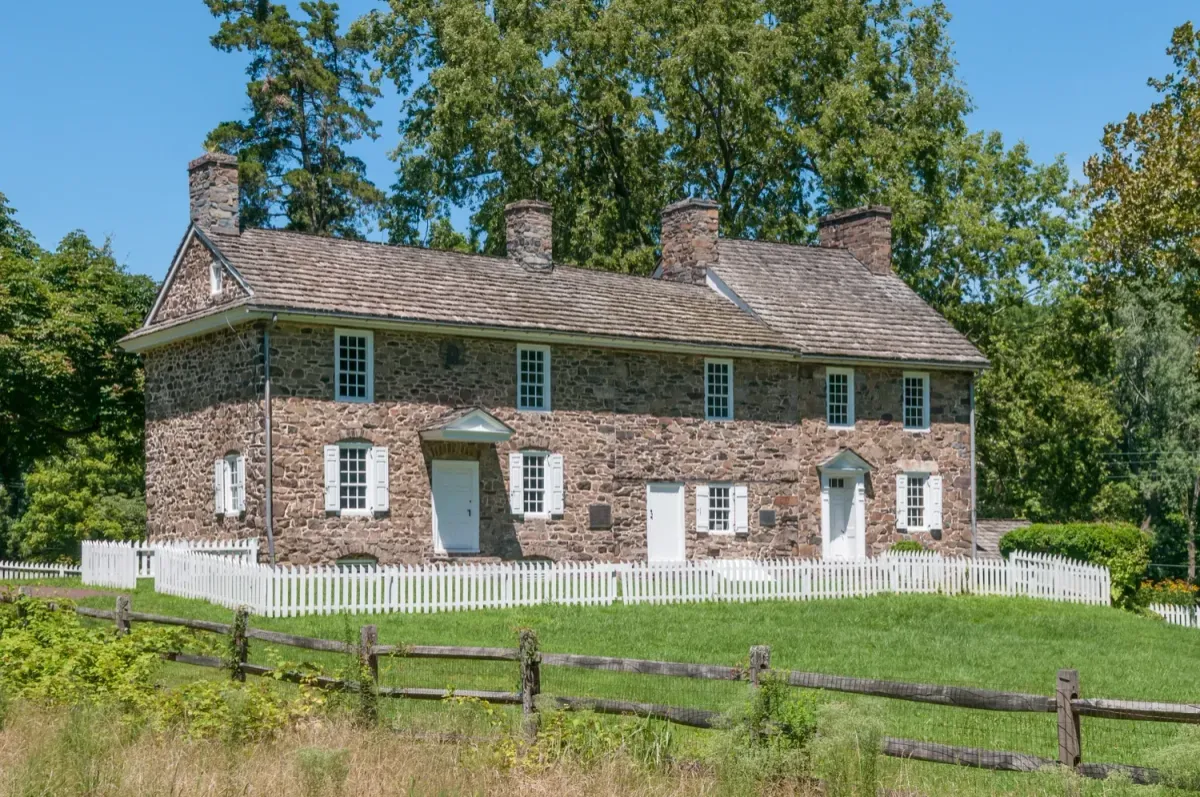
Do Washington Crossing, PA Homes Have Wells and Septic? What Buyers Should Know
The short answer
Some do, and it depends on where the home is. Washington Crossing is a village in Upper Makefield Township, and the township says its public water and sewer systems serve four developments: Heritage Hills, Traditions, Lakeside and the Enclave. Dutchess Farm has public sewer only. Outside those developments, the township says residents must manage and maintain their own on lot septic systems, which it calls OLDS (Upper Makefield Township, Water, Sewer and OLDS). If a home is not on public water, its water comes from a private source such as a well.
That matters because a private well and a septic system are yours to look after once you own the home, and most of the rules come from the township and Bucks County. Here is what to check before you make an offer, with links to the official sources.
Step one: find out exactly what the home has
Start with the listing, then confirm it. Three places help.
The seller's disclosure statement. Pennsylvania's Real Estate Seller Disclosure Law generally requires sellers to disclose material defects they know about, on a form that covers "water and sewage systems or service." The seller must give it to you before the agreement of sale is signed. The law also says the seller does not have to do any special investigation to fill it out, so testing and inspections are up to you (68 Pa.C.S. Chapter 73, sections 7303, 7304 and 7308).
The township. Upper Makefield's Planning and Zoning Office receives septic pumping reports and can tell you the requirements for a specific property. The township lists the number as 215-968-3340.
The property record. Check which municipality the home is in on the county property record, then follow that township's rules. My Washington Crossing page explains why a mailing address alone can mislead.
How septic systems work in Upper Makefield
The pumping rule
The township requires owners of on lot systems to have the tank emptied by a licensed hauler at least every three years, depending on location. After each pumping, the owner sends the hauler's report to the Planning and Zoning Office. The township posts a list of licensed haulers and the report form on its website (Upper Makefield Township).
For a buyer, that creates a simple paper trail. Ask the seller for recent pumping receipts, and ask the township whether the reports are on file.
Two areas with extra rules
Upper Makefield's 2015 update to its Act 537 sewage plan named the Dolington and Taylorsville areas as Special Sewage Management Districts. Owners there submit an annual Owner Inspection Report, and the township says those systems "must also be pumped biannually." Ordinance No. 311 sets out the added requirements for using, building, maintaining and repairing systems in those districts (Upper Makefield Township).
Why this matters in Washington Crossing: the township's history page notes that Taylorsville is the older name for the village now called Washington Crossing (History of Upper Makefield). The district has its own boundaries, so do not assume either way. Ask the township whether the address you are considering is inside one.
Repairs and permits
The Bucks County Health Department issues permits for new and repaired septic systems, licenses the trucks that pump them, and helps owners investigate and repair malfunctioning systems (Bucks County Sewage Program). If the seller mentions a past repair, ask whether a county permit was issued for it.
Is a septic inspection required when a home sells?
Neither the township's septic page nor the county's sewage program page lists an inspection that must happen at the time of sale (both checked October 19, 2026). If you want a septic inspection, plan for it within your inspection period and build it into your offer.
What I see when buyers inspect septic systems
A septic system is its own little ecosystem, a lot like your gut. Take care of it and it can stay in good condition for years. Put the wrong things into it and you can end up with clogs, backups and overflows. The most common problems I see during inspections are tree root intrusion and too much sludge in the tank.
Most septic inspectors look at the tank in its current condition, and some, but not all, will have it pumped. In Pennsylvania, a seller is not required to pump the tank for a buyer's inspection. If you want it pumped, work that out before you sign the agreement of sale, and expect to cover that cost yourself unless the seller agrees otherwise. For homes that have sat empty for a long time, inspectors may suggest a hydraulic load test, which puts water through the system to see how it handles regular use. Which inspections to order is always your decision as the buyer, and I'll help you weigh the options for the specific home.
If you're selling a home with septic, gather three things before you list: what type of tank it is, any permits on record for it, and its service record.
How private wells work in Bucks County
Who regulates them
The Pennsylvania Department of Environmental Protection says plainly that it "does not regulate private wells" (PA DEP, Private Wells). In Bucks County, the Department of Health administers regulations and construction standards for wells that DEP does not regulate, and anyone installing a new well or changing an existing one needs a county permit first (New Hope Borough, Regulation of Private Wells; Bucks County Residential Well Inspection Program).
Testing the water
Neither of those pages mentions a water test that must happen when a home is sold, so testing is your call as the buyer. Two official sources help you decide what to test.
Bucks County's test kit. The Health Department sells water sampling kits for $25 each, and it notes that the water is tested only for bacteria (coliform organisms). Kits are sold weekdays from 8am to 4:30pm. The county lists 215-345-3336 in Doylestown and 215-529-7000 in Quakertown (Bucks County Residential Water Testing).
The EPA's yearly checklist. The U.S. Environmental Protection Agency recommends testing a private well every year for total coliform bacteria, nitrates, total dissolved solids and pH. It also recommends testing right away if you notice a change in water quality or after any part of the well system is repaired or replaced (EPA, Protect Your Home's Water).
Because the county kit checks bacteria only, ask your lab or inspector what a broader test would cover if you want more than that.
Buying land to build on?
If you are buying a lot with no community sewage system available, Pennsylvania rules require the agreement of sale to say so, to state that a permit for an individual system will be needed, and, if no permit has been obtained yet, to advise you to contact the local agency that handles permits before you sign (25 Pa. Code § 72.32). In Bucks County, the Health Department is the office that permits on lot sewage systems.
Questions to ask before you make an offer
Is the home on public water, public sewer, both or neither?
When was the septic tank last pumped, and did the hauler's report go to the township?
Is the property inside the Dolington or Taylorsville Special Sewage Management District?
Has the septic system ever been repaired, and was a county permit issued?
What type of septic tank is it, are there permits on record for it, and what does the service record show?
Are there recent well water test results, and what exactly was tested?
What does the seller's disclosure statement say under water and sewage?
Your next step
Wells and septic are one part of buying in Washington Crossing. My Washington Crossing page covers ZIP codes, property taxes and getting around, my buyer's guide walks through the whole process, and you can browse homes with acreage across Bucks County.
If you are looking at a home in Washington Crossing and want help sorting out the water and sewer questions before you write an offer, call or text me, Alisia Snyder, at 267-269-3973.
Sources (checked October 19, 2026)
Pennsylvania Real Estate Seller Disclosure Law, 68 Pa.C.S. Chapter 73
25 Pa. Code § 72.32, Sales contracts (Cornell's copy of the official Pennsylvania Code)